Disclosure: Top Local Diner is reader-supported. When you buy through links on our site, we may earn an affiliate commission. Learn more.
U.S. Route 66, famously known as the Mother Road, didn't just connect Chicago to Santa Monica—it created an entirely new subculture of American dining. As automobile travel boomed in the mid-20th century, the roadside diner evolved to meet the needs of hungry travelers traversing the expansive Texas panhandle and beyond.
Architecture Built for Speed
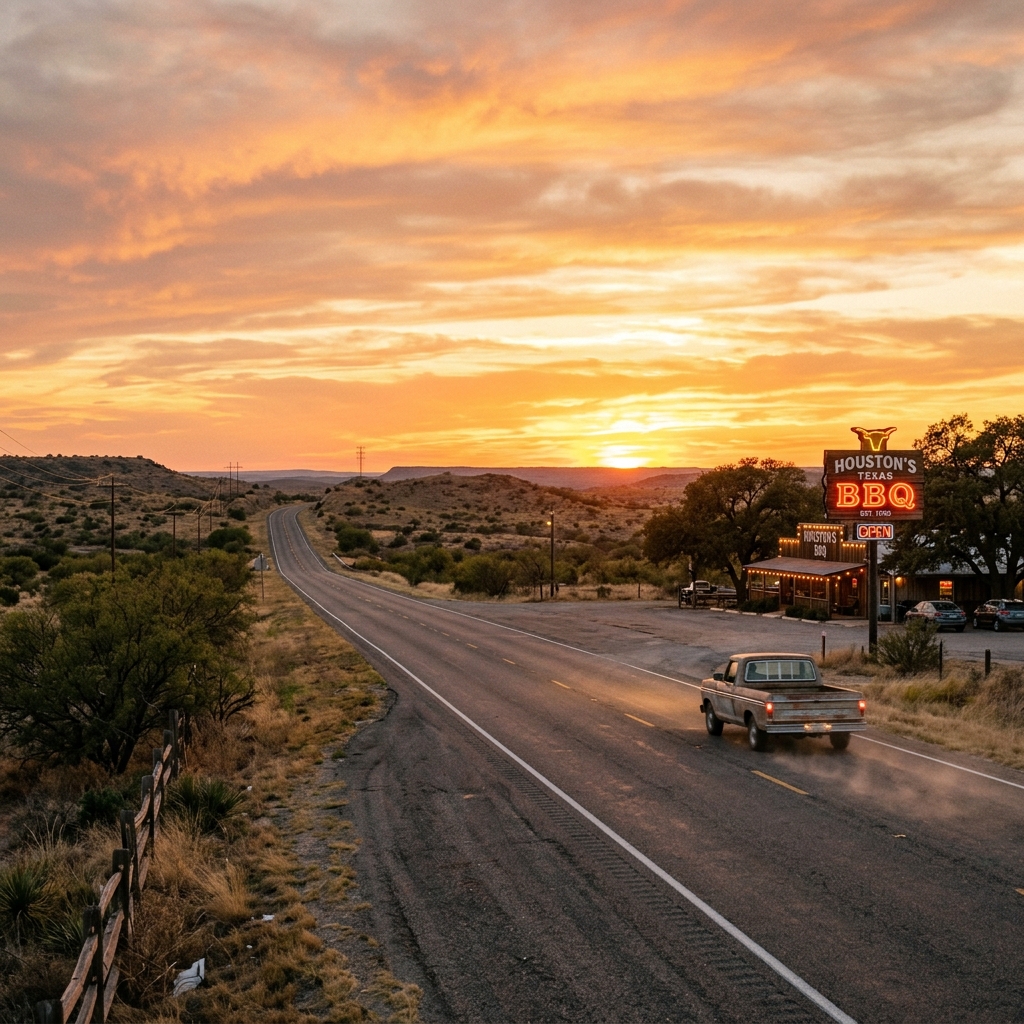
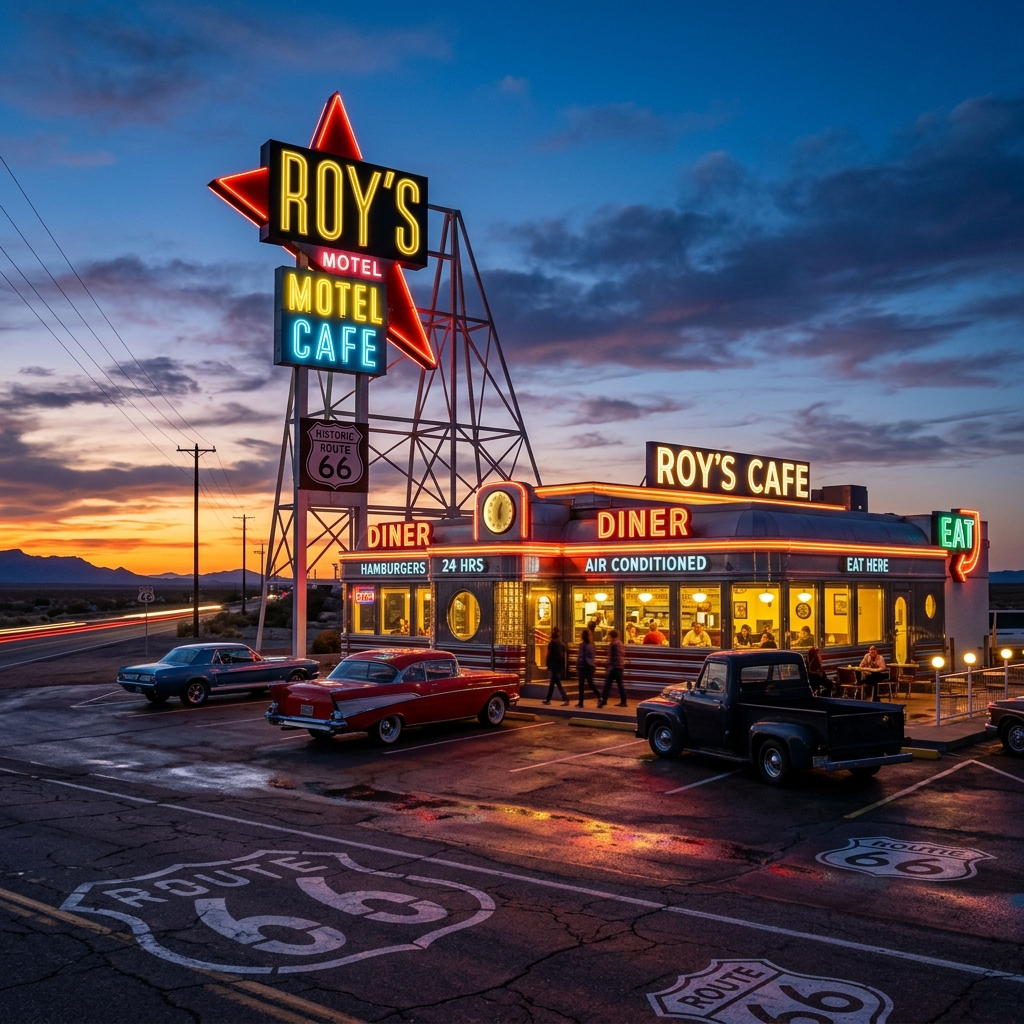
Diners along Route 66 were designed to catch the eye of motorists speeding past at 55 miles per hour. This birthed the 'Googie' architectural style: sweeping roofs, massive glass windows, and towering, flashing neon signs. The building itself was a billboard, promising a quick, hot meal and clean restrooms.
The Rise of the Open Kitchen
Trust was crucial for travelers far from home. Roadside diners popularized the open kitchen layout, where customers sitting at the counter could watch the cook prepare their food. This transparency assured weary travelers that the kitchen was clean and the ingredients were fresh.
A Menu for the Road
The menus had to cater to a transient, diverse crowd. They featured hearty, calorie-dense foods designed to keep drivers fueled for long stretches—chicken fried steak, massive plates of eggs and hash browns, and the famous 'Blue Plate Special'. Pie was also a staple, offering a quick burst of sugar for the road ahead.
Preserving the Legacy
While the interstate highway system eventually bypassed much of Route 66, leading to the closure of many historic spots, a dedicated preservation movement has kept the spirit alive. Today, visiting a surviving Route 66 diner in Texas is like stepping into a time machine, offering a taste of mid-century optimism served with a side of fries.
About the Author
Sarah is a culinary historian who spends her time tracing the origins of classic American comfort food and diner culture.