Disclosure: Top Local Diner is reader-supported. When you buy through links on our site, we may earn an affiliate commission. Learn more.
My sister was diagnosed with celiac disease about eight years ago. I watched her navigate the restaurant world with a mixture of frustration and fear. She would ask a server if a dish contained gluten and the server would say no, only for my sister to spend the next six hours in agony because the fries were cooked in the same oil as the breaded chicken. That experience taught me that ordering with a dietary restriction requires more than just asking a single question. It requires strategy, persistence, and a little bit of detective work.
Calling Ahead and Communicating
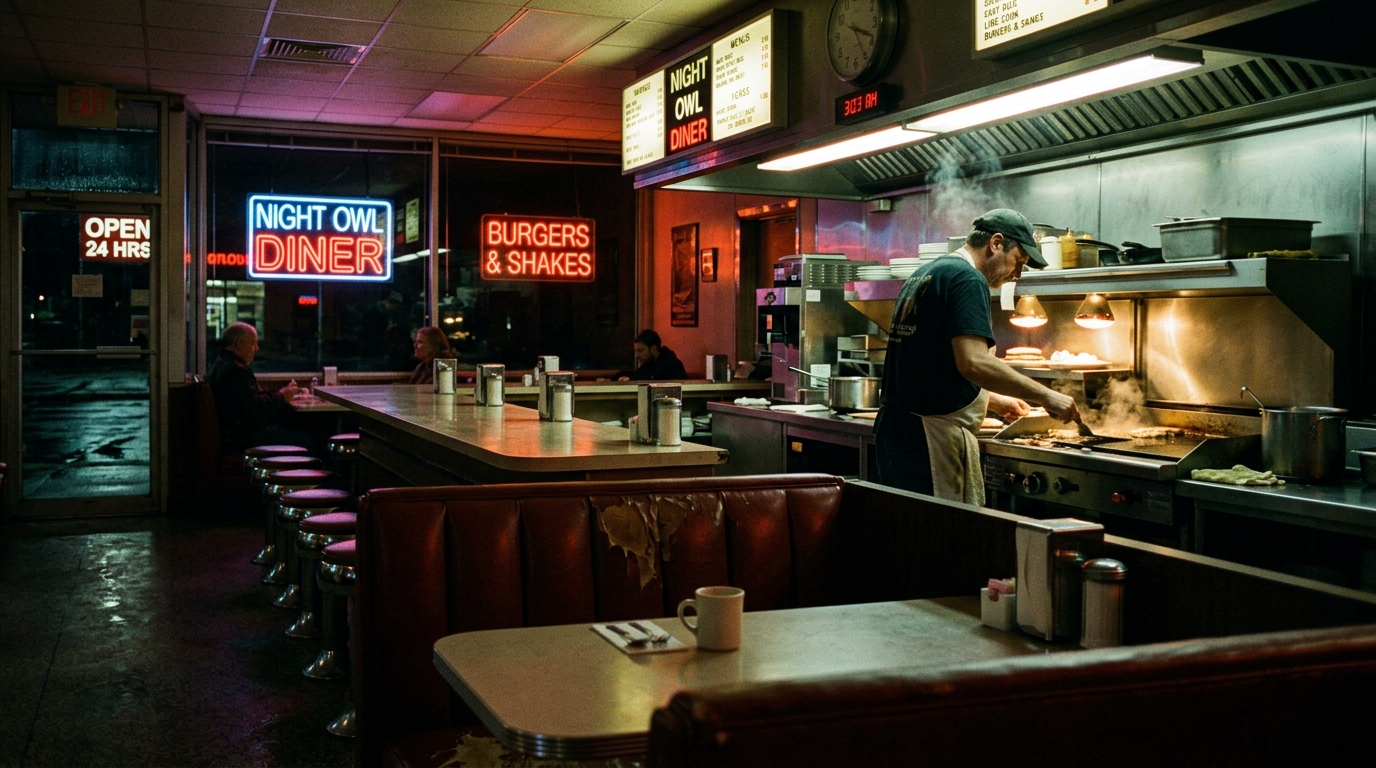
The first rule is to call ahead. If you are planning a dinner at a sit down restaurant, do not wait until you are seated to ask about your options. Call during the afternoon when the restaurant is quiet. Ask to speak to the manager or the chef directly. Authentic local diners are often the most accommodating to special diets, unlike tourist traps that rely on frozen food. Read our guide on Tourist Traps vs. Local Diners to help spot the difference. That is when they have time to talk to you without a dining room full of hungry customers. I have called places and had the chef walk me through the entire menu, pointing out exactly what I could eat and what they could modify. That conversation takes five minutes and it can save you from a miserable evening.
When you arrive, do not be shy about mentioning your restriction to the server. But there is a difference between a preference and an allergy. If you are vegan and you avoid dairy, that is a preference. You can cheat and have a bite of butter without ending up in the hospital. If you have a peanut allergy, that is a medical emergency. Use the word allergy clearly and ask the server to flag it for the kitchen. Many restaurants have a dedicated process for allergy orders, complete with separate cutting boards and utensils.
Reading the Menu Like a Detective
Reading a menu is like playing a game of clue. Look for words that hint at hidden ingredients. 'Vegetable stir fry' sounds safe, but it might contain oyster sauce, which is not vegan. 'Grilled salmon' sounds gluten free, but it might be marinated in soy sauce that contains wheat. I have learned to ask specifically about sauces, marinades, and fryer oil. Those are the places where cross contamination happens more often than you think.
Gluten free dining has become much easier in recent years. Many restaurants now offer gluten free pasta and pizza crusts. But I always ask if they have a separate preparation area. If the gluten free pizza is cooked on the same stone as the regular pizza, it is not actually gluten free. The same goes for fryers. Dedicated fryers are rare, so ask before you order those french fries.
Cuisine Choices and Hidden Ingredients
Vegan diners should look for ethnic restaurants that naturally avoid dairy and meat. Thai and Indian cuisine have extensive vegan options. Mexican food is another good choice as long as you ask them to leave off the cheese and sour cream. I always bring a backup snack in my bag just in case the restaurant cannot accommodate me. A granola bar or a piece of fruit can hold me over until I can find something safe to eat.
For people with less common allergies like garlic or onion, you will need to be even more careful. Those ingredients are hidden in stocks, spice blends, and dressings. I recommend eating at restaurants that prepare food from scratch rather than using pre packaged mixes. A restaurant that makes its own sauces is much more likely to be able to leave out an ingredient than one that uses canned products.
Attitude and Advocacy
One thing I have learned from watching my sister is that attitude matters. If you approach your server with frustration or entitlement, they will not want to help you. If you smile, explain your situation, and ask politely, most servers will go out of their way to make sure you have a good meal. I have seen my sister turn a skeptical server into an ally just by being kind and patient.
Do not be afraid to leave if the restaurant seems unable to accommodate you. It is better to walk out and find a safer place than to risk getting sick. I have done this with my sister a few times. We thank the host, apologize for the inconvenience, and find somewhere else. It is awkward for a minute, but it beats spending the night in a hotel bathroom.
Restaurants are getting better about dietary restrictions every year. Menus now include little icons for gluten free, vegan, and vegetarian options. But those icons are only as reliable as the training of the staff. Always double check. Be your own advocate. And remember that the goal is to enjoy your meal without worrying about what happens after you swallow. That is the dining experience everyone deserves.
Explore More
The Takeaway
Never apologize for advocating for your health. A good restaurant wants to feed you safely; you just have to give them the precise information they need to do it.
About the Author
Sarah is a culinary historian who spends her time tracing the origins of classic American comfort food and diner culture.